Randy Nowell.
Trusted Automotive Executive.
Connected, Respected, and Experienced Leader.
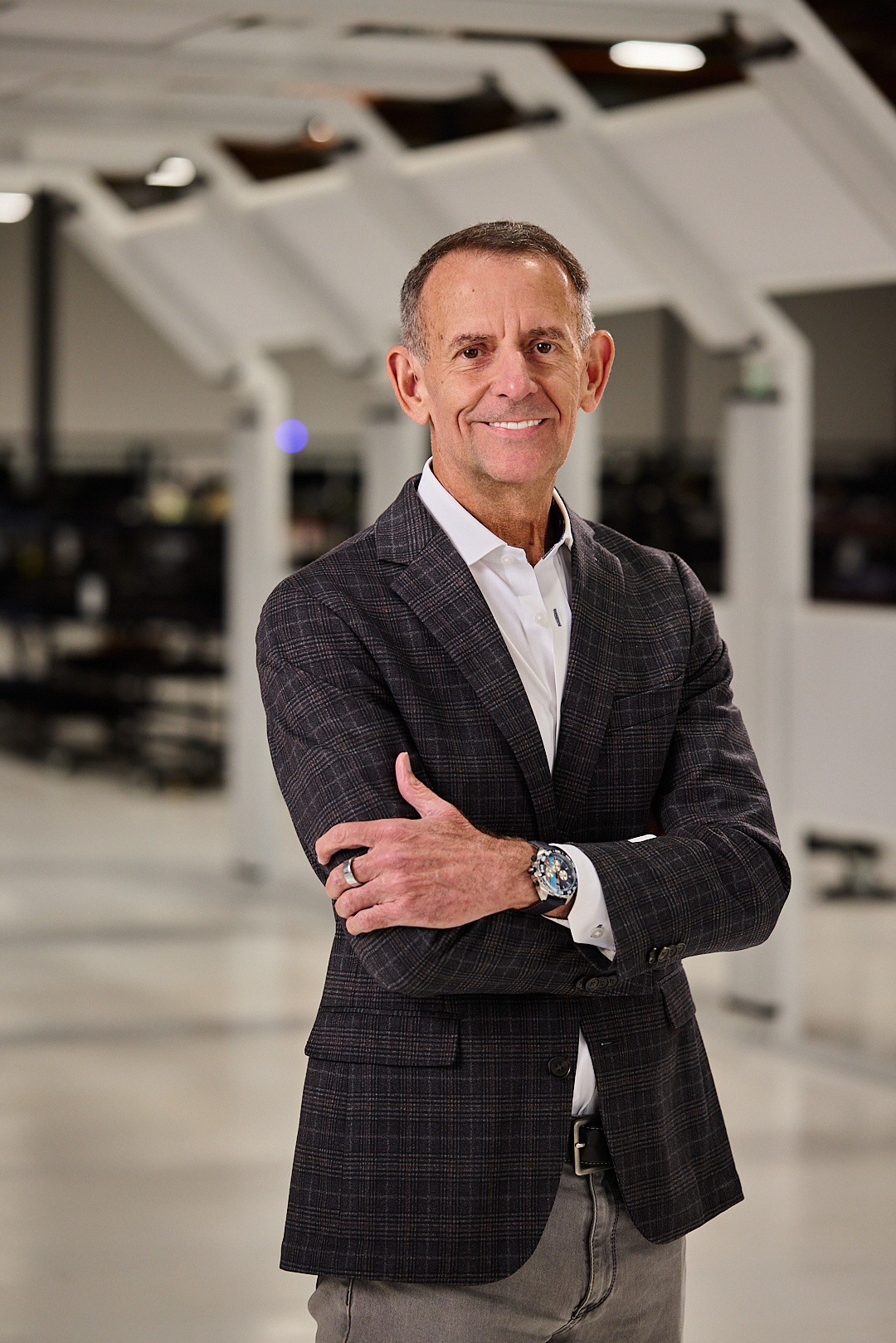
Randy Nowell
Growth-oriented automotive executive with 25+ years of leadership experience spanning OEM, retail, aftermarket, customer experience, automotive technology, and emerging mobility organizations.
Proven track record building new markets, creating enterprise partnerships, commercializing innovative solutions, and scaling high-performance teams. Recognized for translating complex industry challenges into scalable business opportunities and building trusted relationships across OEMs, dealer groups, service organizations, technology providers, distributors, and strategic customers.
Throughout my career, I’ve delivered sustainable growth while strengthening leadership benches and succession pipelines. I believe great results come from clarity, trust, and disciplined execution.
My Skills
Parts, Service, & CX Improvement
Influencing, Coaching,& Leading Leaders
Recruiting, Hiring, and Motivating Top Teams
Sourcing, Connecting, and Facilitating
My Reputation

Steven M. General Counsel.
Randy has a keen and sophisticated understanding of the automotive industry and quickly establishes credibility.

Jonathan G. OEM Manager.
I am really impressed with his focus and fortitude to drive improvements through an organization.


